
No judgement: How I photograph sensitive dogs who need a calm space
We often label dogs who need extra space and a quiet, predictable environment as reactive, but it’s not a helpful label. Like people, some dogs just need an extra level of care so that they can feel happy and relaxed, and that’s perfectly okay. It can take extra planning and work for owners of sensitive dogs, and the same applies when it comes to photographing them.
Since I began working with dogs, I have seen a huge range of temperaments and tolerance levels, and they can absolutely have their own beautiful portraits - what we do differently is to work with the dog in a stress-free, unhurried and mindful way so that we can avoid their triggers and help them to feel at ease. Here’s what a photoshoot with an easily-triggered dog looks like.
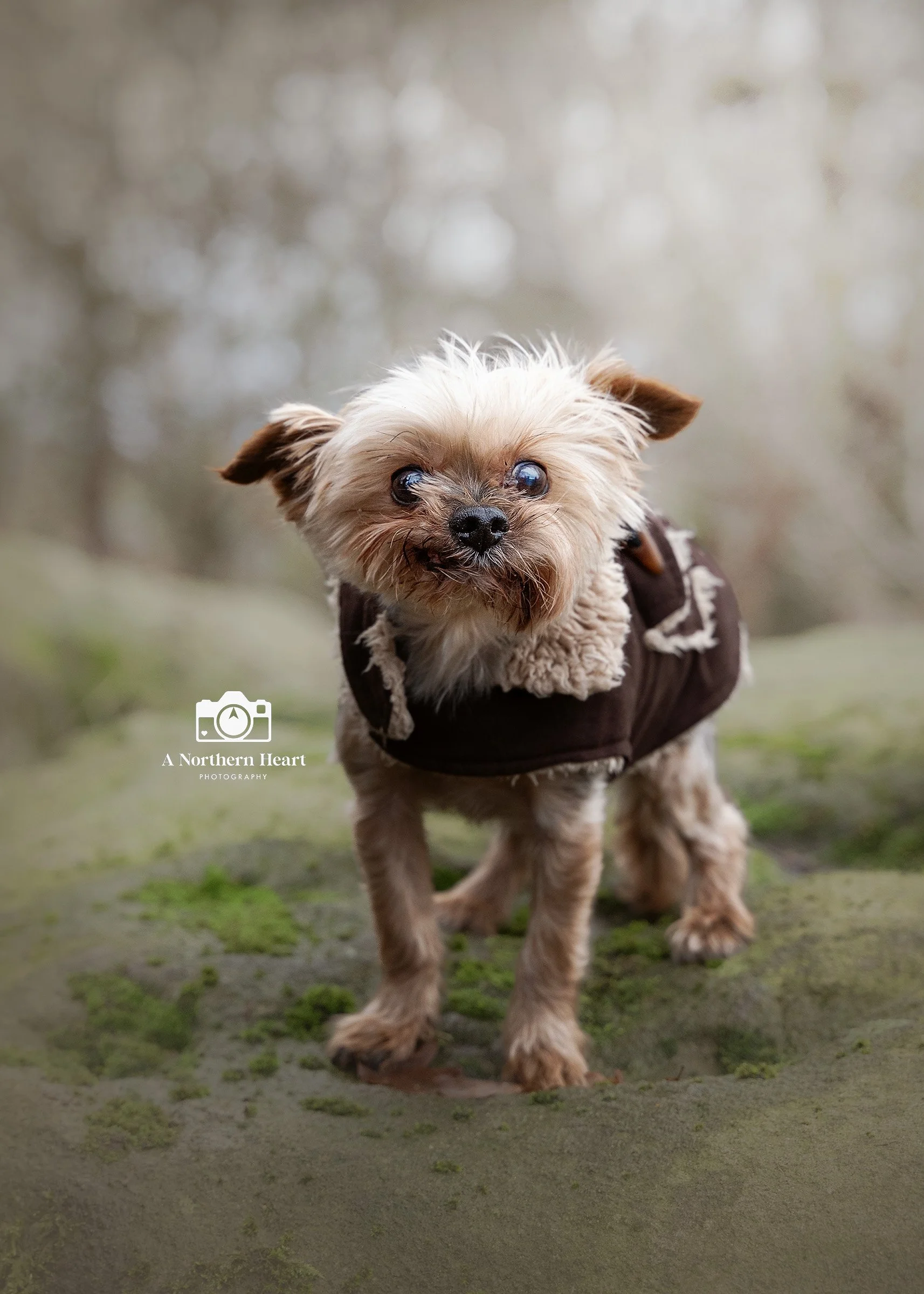
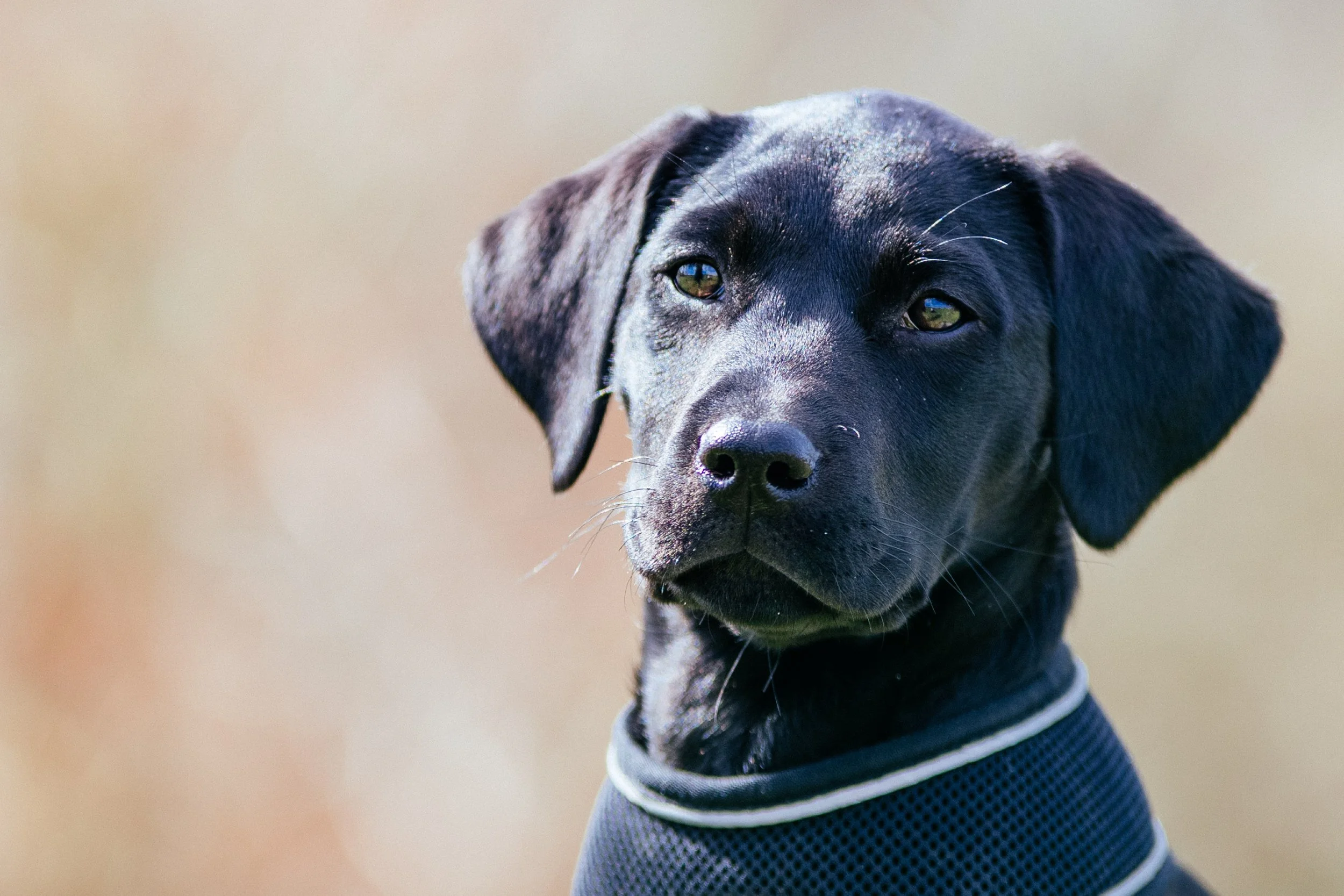
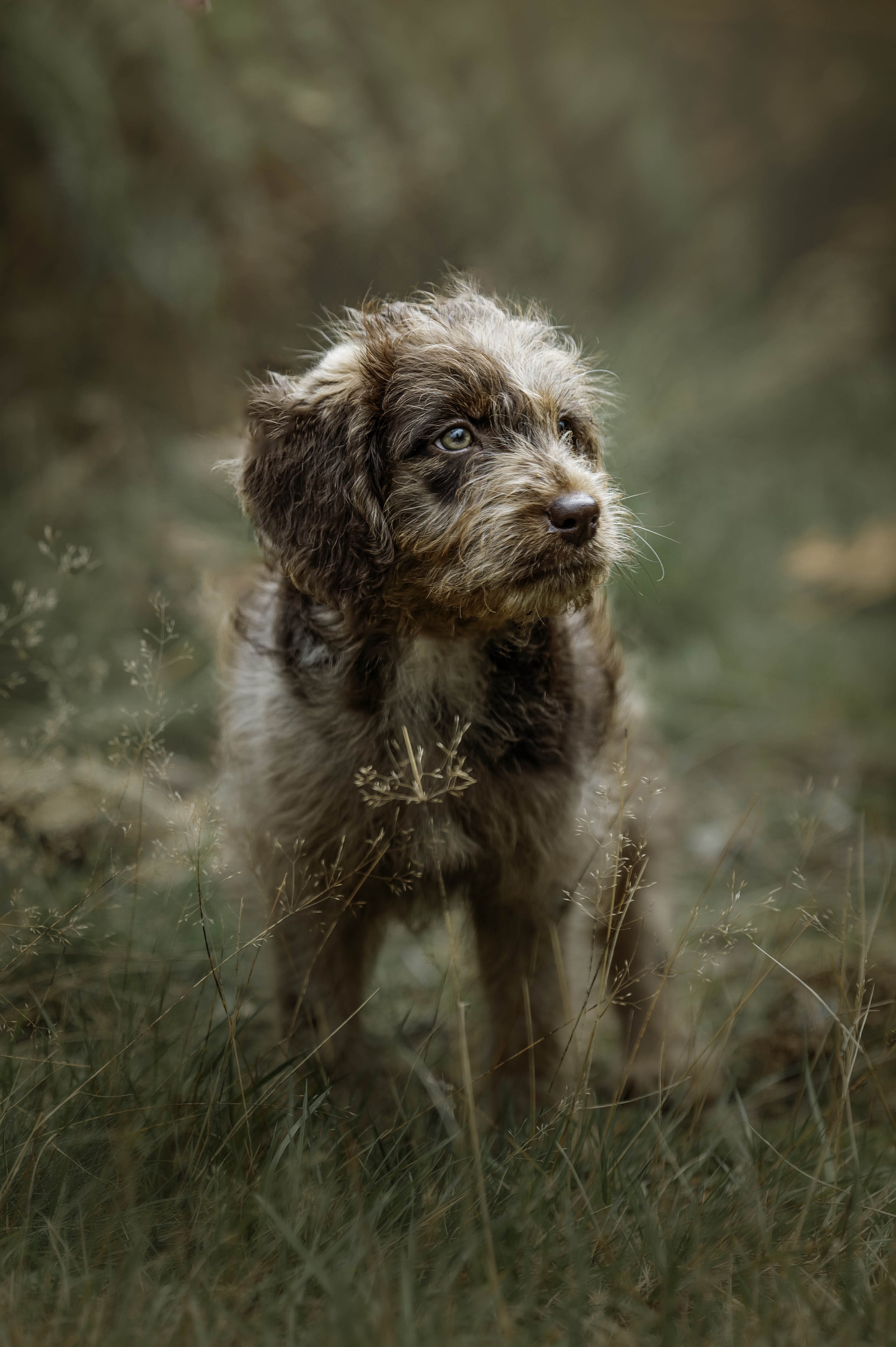
1. We prioritise distance (long lenses are our friend)
Reactive dogs usually need space to feel safe, particularly around strangers. If your dog doesn’t like up close and personal, I will keep my distance and not make direct eye contact for too long, so feeling of unease don’t creep in.
2. I’ll meet the dog before the camera comes out
Sensitive dogs often react because everything feels unpredictable.
Before photographing I’ll:
Let the dog see me at a distance
Walk parallel, not toward them
Not reach out or talk to them immediately
Behave like a boring tree for five minutes, if needed! Once your dog realises I’m not interesting, they can relax.
Sometimes the best moment to start shooting is when your dog stops caring about me.
3. I’ll work with you as the handler
If your dog is nervous, we’ll work together, but I’ll ask you to:
Position the dog
Give cues the dog knows
Stand near you if the dog needs reassurance
Shots that work well for nervous dogs can include:
Your dog looking at you
Your dog running back towards you
Your dog sitting calmly beside you
4. We’ll choose the right location
Environment matters massively. Ideal locations for dogs who are easily triggered include wide open fields, quiet woodland paths, early morning beaches and private enclosed paddocks. Places to avoid might be busy parks, narrow trails, and anywhere with surprise dogs appearing.
If you want me to hire a private enclosed space for your shoot, please let me know and I can do this beforehand.
5. Recognising movement is often easier than posed shots
Reactive dogs often feel safer moving, so instead of static portraits we can try letting the dog walk naturally, photographing them running towards you, or capturing sniffing moments. Movement reduces pressure and often produces more natural expressions for dogs who are easily stressed.
6. Watching for stress signals
Good photographs mean we need to stay below the dog’s threshold for unwanted attention. During our shoot I’ll be looking for signs that your dog is getting uncomfortable, such as stiff posture, whale eye, lip licking, yawning or
hyper-focusing on me. When I see this I’ll increase distance, pause shooting and let your dog decompress. A calm dog always photographs better than a tense one!
7. Putting safety first (always)
A few simple precautions will make your session smoother:
Bringing a long line
Avoiding approaching the dog directly (me)
Staying out of the lead radius if needed
As a dog owner with a sensitive dog, I know how devoted you are to your pet. They can be difficult to manage, and you might often feel excluded from activities that other dog owners take for granted. But they don’t need to be excluded from a photoshoot here - I will work with you, and we’ll take our time, pacing the shoot so you can have the photographs you really want.
